phlebotomy worksheets pdf
Phlebotomy Worksheets PDF: A Comprehensive Guide
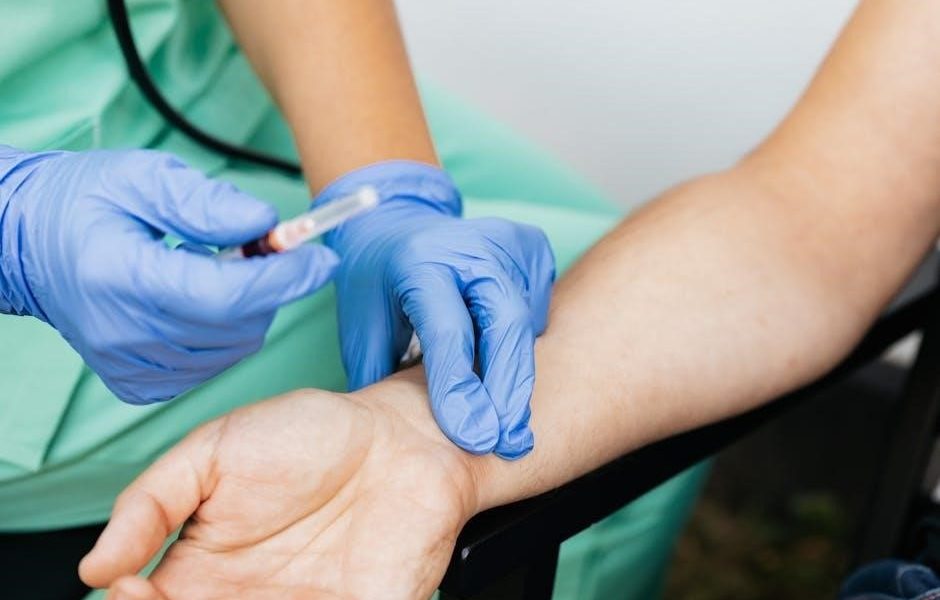
Phlebotomy worksheets, often available as PDFs, are crucial study tools for aspiring technicians preparing for certification exams like NHA CPT, ASCP, and AMCA.
These resources offer practice questions, scenario-based applications, and comprehensive reviews of essential phlebotomy concepts, aiding in exam success and skill development.
What are Phlebotomy Worksheets?
Phlebotomy worksheets are specifically designed educational resources utilized to reinforce learning and assess comprehension of core phlebotomy principles. Typically available in PDF format for easy access and printing, these worksheets present a variety of exercises, including multiple-choice questions, matching activities, and scenario-based problem-solving tasks.
They cover a broad spectrum of topics essential to competent phlebotomy practice, such as vein identification, proper patient identification protocols, the correct order of draw for blood collection tubes, and techniques for minimizing patient discomfort. Worksheets often simulate real-world clinical situations, like dealing with obese patients or recognizing potential complications during venipuncture.
These tools are invaluable for students enrolled in phlebotomy training programs and individuals preparing for certification exams like those offered by the NHA (National Healthcareer Association), ASCP (American Society for Clinical Pathology), and AMCA (American Medical Technologists). They serve as a practical supplement to textbook learning and hands-on training, solidifying knowledge and building confidence.
The Importance of Phlebotomy Worksheets in Training
Phlebotomy worksheets are paramount in training, bridging the gap between theoretical knowledge and practical application. They provide a safe, low-stakes environment for students to practice critical skills and reinforce learned concepts, particularly crucial before working with real patients.
Utilizing worksheets, often in PDF format, allows for repeated practice of essential procedures like vein palpation, tourniquet application, and recognizing potential complications. This repetition builds muscle memory and enhances confidence, minimizing errors during live venipuncture.
Furthermore, worksheets prepare students for the rigorous demands of certification exams (NHA CPT, ASCP, AMCA) by mirroring the question formats and scenario-based challenges they will encounter. Consistent use improves test-taking skills and ensures a thorough understanding of phlebotomy best practices, ultimately leading to competent and safe patient care.
Where to Find Free Phlebotomy Worksheets PDF (2025)
Locating free, reliable phlebotomy worksheets in PDF format for 2025 requires strategic searching. Several organizations and websites offer valuable resources to aid in your training and exam preparation.
The National Healthcareer Association (NHA) and the American Society for Clinical Pathology (ASCP) are excellent starting points, often providing sample questions and practice materials. Additionally, explore resources from the American Medical Technologists (AMT).
Numerous third-party phlebotomy training websites compile practice tests and worksheets, though verifying their accuracy is crucial. Look for sites offering questions aligned with NHA CPT, ASCP, and AMCA exam content. Remember to search specifically for “phlebotomy practice test PDF” or “phlebotomy worksheet PDF” to refine your results and access downloadable materials for effective study.
Types of Phlebotomy Worksheets
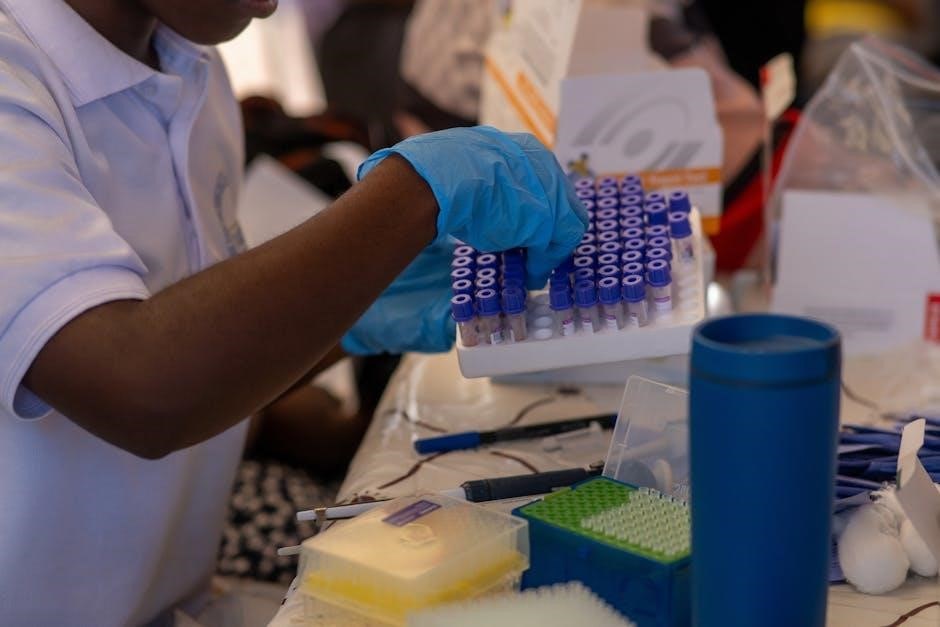
Phlebotomy worksheets encompass diverse areas like vein identification, order of draw, complication recognition, and patient interaction, providing targeted practice for crucial skills.
Vein Identification Worksheets
Vein identification worksheets are fundamental for phlebotomy trainees, focusing on accurately locating suitable veins for venipuncture. These worksheets often present diagrams of arms, requiring students to identify appropriate veins – like the median cubital, cephalic, and basilic – and assess their suitability based on size, depth, and condition.
Crucially, these resources address challenges encountered with patients who have difficult veins, such as those who are obese. Worksheets may illustrate techniques for palpating veins in obese patients, emphasizing the use of a lighter touch and considering alternative sites. They also reinforce the importance of understanding anatomical variations and recognizing potential issues like sclerosis or scarring.
Effective vein identification is paramount for successful and comfortable blood draws, minimizing patient discomfort and preventing complications. Practicing with these worksheets builds confidence and proficiency in this essential phlebotomy skill, preparing technicians for real-world scenarios.
Order of Draw Worksheets
Order of Draw worksheets are vital for mastering a critical aspect of phlebotomy: preventing cross-contamination of blood samples. These resources present scenarios requiring students to correctly sequence evacuated tubes based on the established guidelines – typically following CLSI standards.
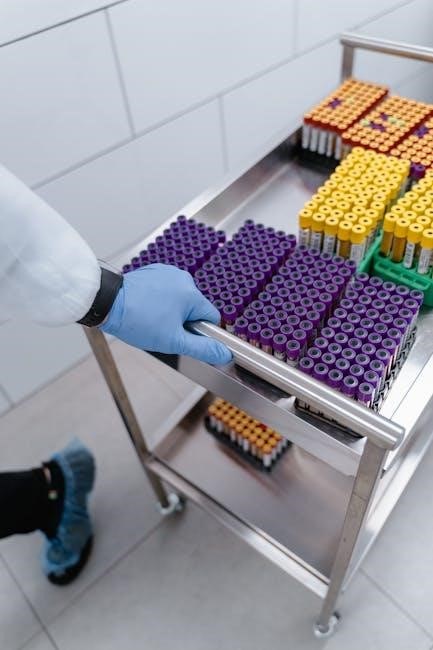
Worksheets commonly feature lists of tubes with color-coded tops, challenging students to arrange them in the proper order, starting with blood culture tubes and progressing through coagulation, serum, and finally, additive tubes like EDTA and heparin. Understanding the rationale behind the order – preventing carryover of additives – is emphasized.
Proficiency in the Order of Draw is essential for accurate laboratory results and patient care. These worksheets provide repeated practice, reinforcing the sequence and minimizing errors during actual blood collection procedures, ultimately contributing to reliable diagnostic testing.
Complication & Error Recognition Worksheets
Complication & Error Recognition worksheets are designed to build a phlebotomist’s ability to identify and respond to potential issues during venipuncture. These resources present realistic scenarios detailing complications like hematomas, nerve injury, fainting, or incorrect tube selection.
Students are typically asked to analyze the situation, pinpoint the error or complication, and outline the appropriate corrective action. Worksheets may include images illustrating various stages of hematoma formation or signs of patient distress, enhancing visual learning.
A key focus is recognizing pre-analytical errors – issues occurring before the sample reaches the lab – and understanding their impact on test results. Mastering these skills is crucial for patient safety, minimizing sample rejection, and ensuring accurate diagnoses.
Patient Interaction & Communication Worksheets
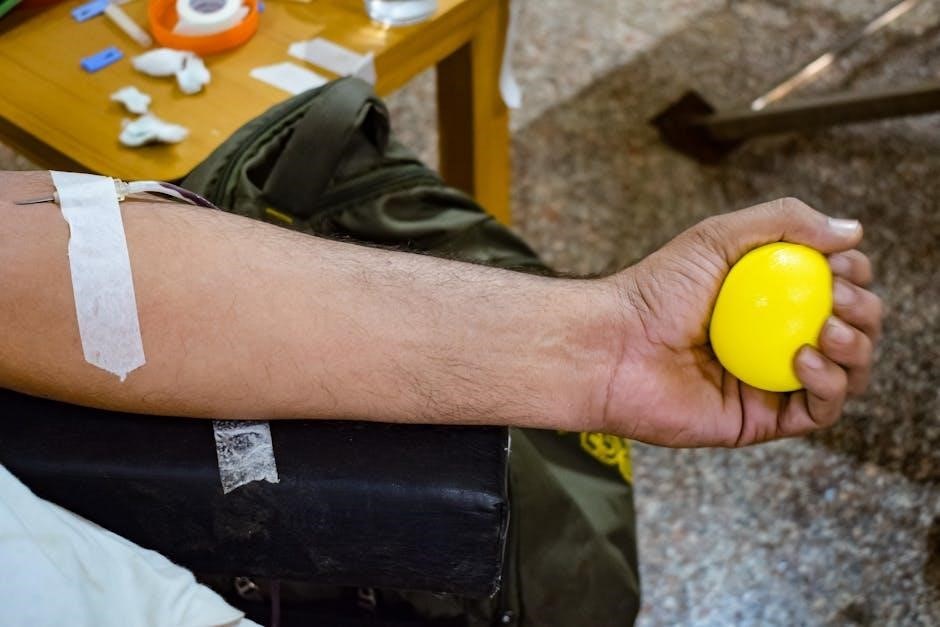
Patient Interaction & Communication worksheets emphasize the vital role of soft skills in phlebotomy, going beyond technical proficiency. These resources present scenarios requiring students to demonstrate empathy, active listening, and clear communication with patients of diverse backgrounds and emotional states.
Worksheets often focus on handling anxious or uncooperative patients, explaining procedures in understandable terms, and maintaining patient confidentiality. Role-playing exercises are common, prompting students to practice verbal and non-verbal communication techniques.
A significant component involves addressing patient concerns about pain, privacy, or the venipuncture process itself. Effective communication builds trust, reduces anxiety, and contributes to a positive patient experience, ultimately improving sample quality and overall care.
Key Topics Covered in Phlebotomy Worksheets
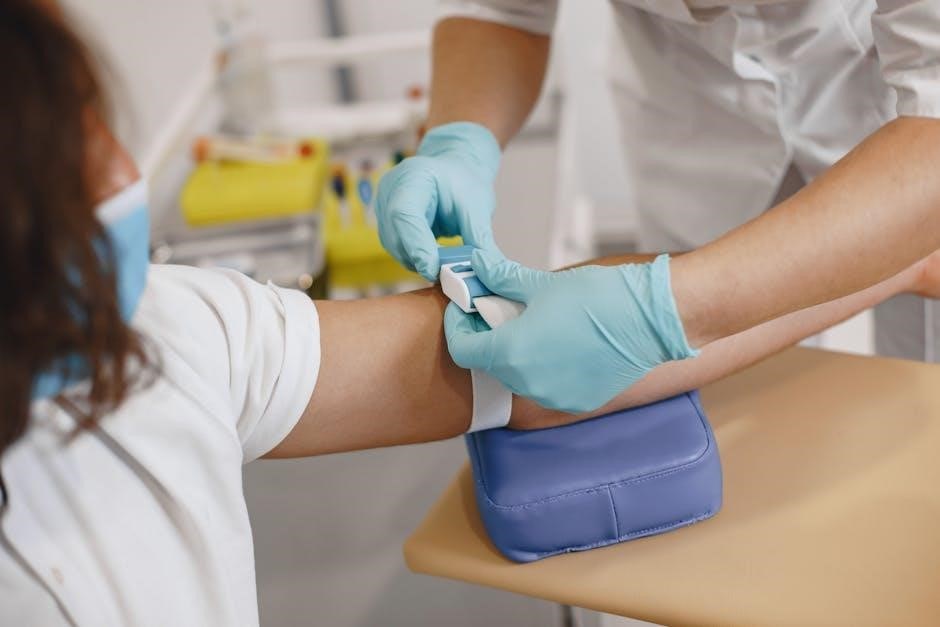
Phlebotomy worksheets comprehensively cover anatomy, patient identification, tube order of draw, and venipuncture techniques, ensuring technicians master essential skills and knowledge.
Understanding the Anatomy & Physiology of Veins
Phlebotomy worksheets dedicated to vein anatomy and physiology are foundational for successful venipuncture. These resources typically detail the structure of veins – their walls, valves, and how they differ from arteries. Worksheets emphasize identifying superficial veins commonly used for phlebotomy, such as the median cubital, cephalic, and basilic veins, often including diagrams for visual learning.
Understanding blood flow direction and the impact of factors like gravity and muscle contraction is crucial. Worksheets may present scenarios requiring technicians to predict how these factors influence vein visibility and ease of access. Furthermore, they cover potential anatomical variations and conditions, like sclerosis or obesity, that can complicate vein palpation and puncture.
A solid grasp of venous anatomy minimizes complications and ensures patient comfort. These worksheets often include questions assessing knowledge of vein locations, potential hazards, and appropriate techniques for different patient populations.
Proper Patient Identification Procedures
Phlebotomy worksheets focusing on patient identification are paramount for preventing errors and ensuring patient safety. These resources emphasize the importance of verifying at least two unique identifiers – typically the patient’s name and date of birth – before any blood draw. Worksheets often present scenarios where technicians must correctly identify discrepancies in patient information or choose the appropriate verification methods.
They reinforce the necessity of comparing the requisition form with the patient’s identification band and directly asking the patient to state their details. Worksheets also cover situations involving unconscious or non-communicative patients, outlining procedures for verifying identity through alternative means, like medical records.
Understanding HIPAA regulations and patient confidentiality is also a key component. These worksheets assess knowledge of proper documentation and handling of sensitive patient information, ensuring compliance and ethical practice.
Correct Tube Order of Draw
Phlebotomy worksheets dedicated to the order of draw are essential for accurate lab results, preventing cross-contamination of additives between tubes. These resources typically present scenarios requiring technicians to sequence tubes correctly based on CLSI guidelines – a standardized protocol crucial for minimizing testing errors.
Worksheets often utilize visual aids and fill-in-the-blank exercises to reinforce the mnemonic devices used to remember the order. They emphasize the importance of understanding why specific tubes are drawn in a particular sequence, relating it to the potential interference of additives.

Commonly, these PDFs will test knowledge of tubes like light blue (sodium citrate), lavender (EDTA), and gray (sodium fluoride/potassium oxalate). They also cover special situations and exceptions to the standard order, ensuring technicians are prepared for diverse clinical scenarios.
Venipuncture Techniques & Best Practices
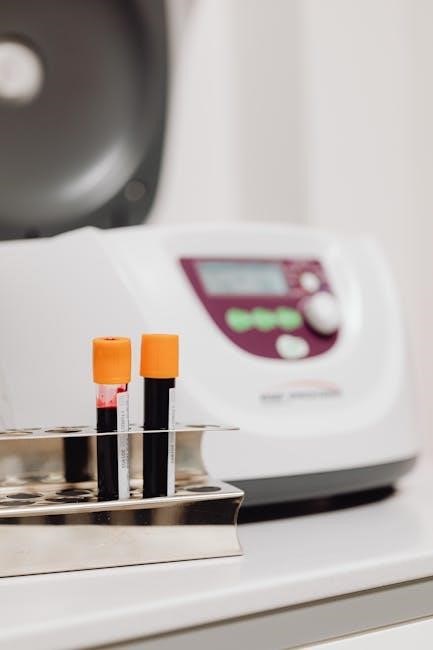
Phlebotomy worksheets focusing on venipuncture techniques reinforce proper procedure, minimizing patient discomfort and ensuring sample integrity. These PDFs often include diagrams illustrating correct needle angle, vein palpation, and tourniquet application – vital components of a successful draw.
Worksheets commonly present scenarios requiring technicians to identify appropriate venipuncture sites, considering factors like patient anatomy and vein condition. They emphasize best practices such as proper hand hygiene, glove usage, and safe needle handling, adhering to OSHA guidelines.
Many resources incorporate troubleshooting exercises, addressing potential complications like hematomas or failed draws. They also cover post-puncture care, emphasizing the importance of patient observation and proper disposal of sharps, promoting a safe and effective practice.

Utilizing Phlebotomy Practice Tests
Phlebotomy practice tests, often in PDF format, are essential for certification preparation (NHA, ASCP, AMCA), offering multiple-choice questions to assess knowledge and readiness.
NHA CPT Exam Practice Questions
Preparing for the National Healthcareer Association (NHA) Certified Phlebotomy Technician (CPT) exam requires focused study and ample practice. Numerous resources offer NHA CPT exam practice questions, frequently available as downloadable PDF study guides. These materials are designed to mirror the format and content of the actual exam, helping candidates become familiar with the types of questions they will encounter.
Practice questions cover a broad spectrum of phlebotomy topics, including vein identification, proper patient identification, the order of draw, venipuncture techniques, and complication management. Utilizing these practice tests allows aspiring phlebotomy technicians to identify knowledge gaps and concentrate their study efforts accordingly. Many websites provide free sample questions, while more comprehensive practice exams may require a purchase. Regularly assessing your understanding with these tools significantly increases your chances of success on the NHA CPT exam.
ASCP Phlebotomy Certification Practice
Achieving certification from the American Society for Clinical Pathology (ASCP) is a significant step in a phlebotomy career, demanding thorough preparation. ASCP phlebotomy certification practice resources, often found as downloadable PDF worksheets, are essential for exam success. These materials focus on replicating the ASCP exam’s style and difficulty, providing candidates with realistic practice.
Practice questions emphasize critical areas like quality control, safety protocols, specimen handling, and detailed knowledge of laboratory procedures. Utilizing these resources helps identify areas needing improvement and builds confidence. Many online platforms offer ASCP practice tests, ranging from free sample questions to comprehensive, paid exam simulations. Consistent practice with these materials, alongside a solid understanding of phlebotomy principles, dramatically increases the likelihood of passing the ASCP certification exam and launching a successful career.
AMCA Phlebotomy Certification Practice
Preparing for the American Medical Technologists (AMT) Registered Phlebotomy Technician (RPT) exam requires focused study and practice. AMCA phlebotomy certification practice materials, frequently available as PDF worksheets, are designed to mirror the exam’s content and format. These resources cover essential phlebotomy skills, including specimen collection, patient interaction, and adherence to safety guidelines.
Worksheets often include multiple-choice questions testing knowledge of anatomy, physiology, and laboratory procedures. Utilizing these practice tests allows candidates to identify knowledge gaps and refine their test-taking strategies. Numerous websites offer AMCA-specific practice exams, ranging from free sample questions to comprehensive study packages. Consistent practice, combined with a strong grasp of phlebotomy fundamentals, significantly enhances the chances of passing the AMCA RPT exam and securing professional certification.
Practice Test Formats (Multiple Choice)
The predominant format for phlebotomy practice tests, including those found as downloadable PDF worksheets, is multiple choice. This aligns with the structure of major certification exams like NHA CPT, ASCP, and AMCA. These tests typically present a question stem followed by four answer options, requiring candidates to select the most accurate response.
Worksheets often feature questions assessing knowledge of venipuncture techniques, order of draw, safety protocols, and patient communication. Practice tests commonly consist of 25-50 questions, simulating the exam environment. Regularly engaging with these multiple-choice questions builds familiarity, improves time management, and reinforces core phlebotomy concepts. Analyzing incorrect answers is crucial for identifying areas needing further study, maximizing exam preparedness and boosting confidence.
Specific Scenarios & Worksheet Applications
Phlebotomy worksheets present realistic scenarios—like difficult vein palpation in obese patients or managing discomfort—to hone practical skills and critical thinking abilities.
Difficult Vein Palpation (Obese Patients)
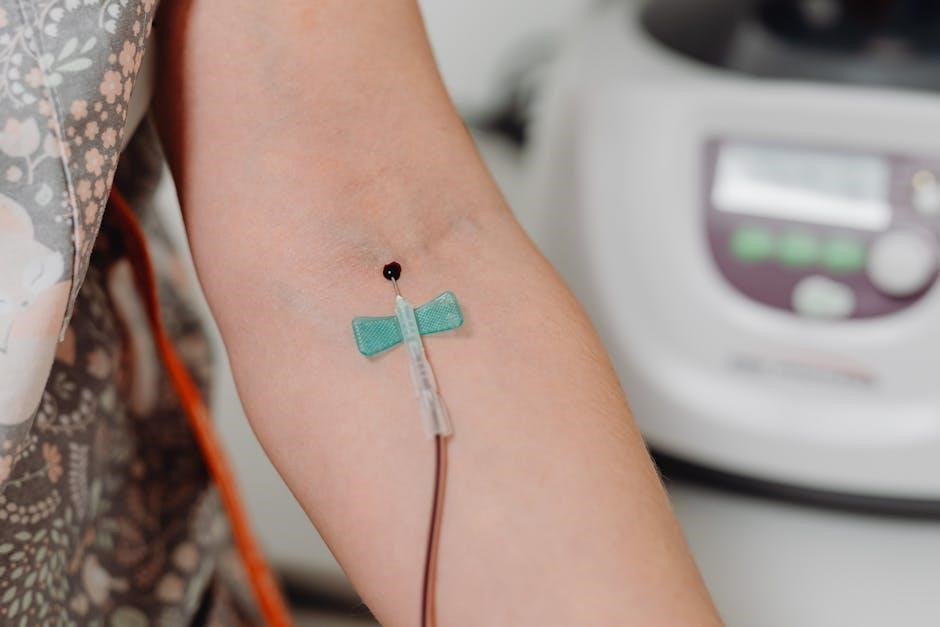
Phlebotomy worksheets addressing difficult vein palpation in obese patients are invaluable for trainee technicians. These scenarios often highlight the challenges of locating veins due to increased tissue depth and potential for vein rolling. Worksheets may present case studies requiring students to identify alternative venipuncture sites, such as hand veins, or employ techniques like using a blood pressure cuff to distend veins.
Furthermore, they emphasize the importance of patient comfort. Worksheets will often detail how to minimize discomfort by avoiding prolonged tourniquet application and utilizing gentle palpation techniques. They may also include questions regarding appropriate communication strategies to reassure anxious patients. Practicing these scenarios through worksheets prepares technicians to confidently and compassionately handle these common, yet challenging, patient presentations, ensuring successful venipuncture while prioritizing patient well-being.
Managing Patient Discomfort During Procedures
Phlebotomy worksheets focused on managing patient discomfort are essential for developing empathetic and skilled technicians. These resources present scenarios requiring students to identify verbal and non-verbal cues indicating patient distress. Worksheets often include questions about appropriate communication techniques – offering reassurance, explaining the procedure clearly, and actively listening to patient concerns.
They also emphasize practical strategies to minimize pain. This includes proper needle insertion angle, gentle technique, and utilizing distraction methods. Worksheets may explore the impact of tourniquet time and appropriate site selection. Furthermore, they address recognizing and responding to potential complications like hematoma formation. By practicing these scenarios, technicians learn to prioritize patient comfort, build trust, and ensure a positive venipuncture experience, even for anxious individuals.
Recognizing & Addressing Phlebotomy Complications
Phlebotomy worksheets dedicated to complication recognition are vital for safe and effective practice. These resources present various scenarios involving potential adverse events like hematomas, nerve injury, syncope, and infection. Students learn to identify the signs and symptoms of each complication, prompting critical thinking and rapid assessment skills.
Worksheets detail the appropriate steps for addressing each issue. This includes applying pressure to stop bleeding, elevating the limb, monitoring vital signs, and providing emotional support to the patient. They emphasize the importance of accurate documentation and reporting of any incidents. Furthermore, they cover preventative measures, such as proper tourniquet application and vein selection. Mastering these skills through practice worksheets ensures technicians can confidently manage complications and prioritize patient safety.

Resources for Downloadable PDF Worksheets
NHA, ASCP, and AMT offer valuable phlebotomy resources, including downloadable PDF worksheets. Numerous third-party training websites also provide practice materials for exam preparation.
National Healthcareer Association (NHA) Resources
The National Healthcareer Association (NHA) is a leading provider of phlebotomy certification and offers a wealth of resources to aid in exam preparation. Specifically, NHA provides a FREE Phlebotomy Practice Test 2025, designed to mirror the Certified Phlebotomy Technician (CPT) exam format.
This practice test includes review questions and answers, allowing candidates to assess their knowledge and identify areas needing improvement. Furthermore, the NHA practice test is conveniently available for download as a printable PDF, facilitating offline study and convenient access.
Utilizing these NHA resources, prospective phlebotomy technicians can effectively prepare for the CPT exam, increasing their confidence and chances of success. These materials focus on the core competencies evaluated during the certification process, ensuring a targeted and efficient study experience.
American Society for Clinical Pathology (ASCP) Materials
The American Society for Clinical Pathology (ASCP) is a highly respected organization in the field of laboratory medicine, offering valuable resources for phlebotomy certification preparation. While direct, downloadable “worksheets” in PDF format may not be as prominently featured as with NHA, ASCP provides comprehensive study guides and practice exams.
ASCP’s materials are designed to align with the Board of Certification (BOC) exam content outline, ensuring candidates are well-prepared for the challenges of the certification process. These resources often include practice questions that simulate the exam experience, helping technicians refine their test-taking strategies.
Candidates can access ASCP practice materials through various channels, including online platforms and study guides. Utilizing these resources, aspiring phlebotomists can strengthen their understanding of key concepts and improve their performance on the ASCP BOC exam.
American Medical Technologists (AMT) Resources
The American Medical Technologists (AMT) offers a range of study materials to support individuals pursuing phlebotomy certification, though dedicated “worksheets” in PDF format are not their primary offering. AMT focuses on comprehensive study guides and practice exams designed to mirror the content and format of their certification exam.
These resources cover essential phlebotomy topics, including vein identification, proper collection techniques, and quality control procedures. AMT’s practice tests provide a valuable opportunity for candidates to assess their knowledge and identify areas needing further review.
Candidates can access AMT study materials through the AMT website and various online learning platforms. By utilizing these resources, aspiring phlebotomists can enhance their understanding of key concepts and increase their confidence in tackling the AMT certification exam, ultimately leading to successful career advancement.
Third-Party Phlebotomy Training Websites
Numerous third-party websites specialize in phlebotomy training and offer downloadable PDF worksheets as part of their comprehensive study packages. These resources often supplement formal training programs and provide additional practice opportunities for aspiring phlebotomy technicians.
Websites like PhlebotomyU and others provide a variety of worksheets covering topics such as the order of draw, vein identification, and complication recognition. Many offer free sample worksheets to allow potential users to assess the quality and relevance of their materials.
When utilizing third-party resources, it’s crucial to verify the accuracy and currency of the information presented. Look for websites with qualified instructors and positive reviews to ensure you’re receiving reliable and up-to-date phlebotomy training materials, aiding in exam preparation.
Leave a Reply
You must be logged in to post a comment.