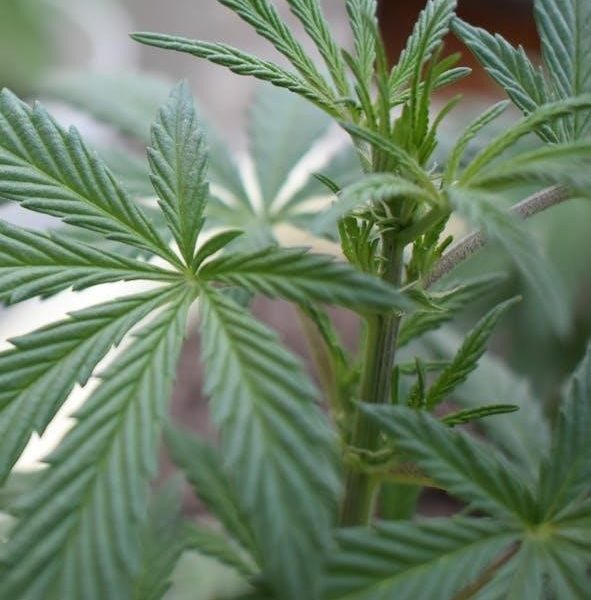
growing marijuana hydroponics guide
Hydroponics offers a revolutionary approach to cannabis cultivation, bypassing traditional soil-based methods for faster growth and higher yields. This guide explores soilless techniques.
Growing cannabis with hydroponics is becoming increasingly popular, offering precise control over nutrients and environmental factors, ultimately enhancing plant health and potency.
What is Hydroponics?
Hydroponics, derived from the Greek words “hydro” (water) and “ponos” (labor), is a method of growing plants without soil, utilizing mineral nutrient solutions in a water solvent. Essentially, it’s soilless cultivation, delivering nutrients directly to the plant roots.
This technique involves suspending the roots in the nutrient solution, or providing them with a medium like rockwool or coco coir for support, while regularly bathing them in the enriched water. Unlike traditional soil growing, hydroponics allows for precise control over nutrient delivery, pH levels, and oxygenation.
This controlled environment fosters faster growth rates, increased yields, and reduced risk of soilborne diseases. It’s a highly efficient system, conserving water and maximizing plant potential, making it ideal for cannabis cultivation.
Benefits of Hydroponics for Cannabis
Hydroponic cannabis cultivation offers numerous advantages over traditional soil-based growing. Faster growth rates are a key benefit, as plants receive readily available nutrients directly to their roots, accelerating development.
Yields are typically higher with hydroponics due to optimized nutrient uptake and environmental control. Water conservation is significant, using considerably less water than soil methods. Reduced pest and disease risks are also notable, eliminating soilborne pathogens.
Furthermore, hydroponics allows for greater control over the growing environment, enabling precise adjustments to pH, nutrient levels, and light exposure. This precision translates to more potent and flavorful harvests, making it a preferred method for discerning growers.
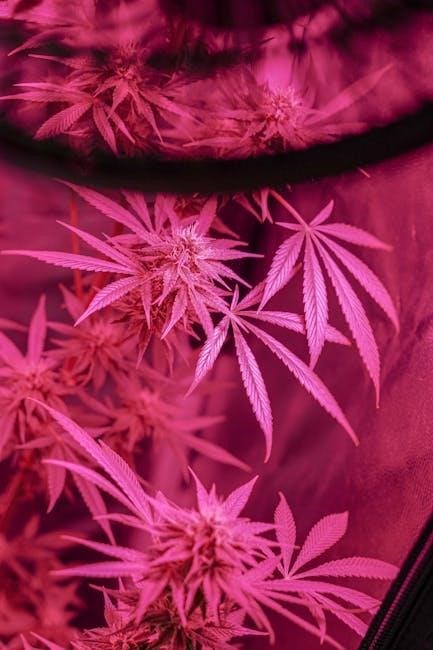
Essential Equipment for a Hydroponic Setup
Successful hydroponic cannabis growing requires specific equipment: a system, grow lights, nutrient solutions, pH meters, and a reservoir. Kits simplify initial setup!
Hydroponic Systems: Types and Comparison
Choosing the right hydroponic system is crucial for successful cannabis cultivation. Several popular methods each offer unique advantages and disadvantages. Deep Water Culture (DWC) suspends roots in a nutrient-rich, oxygenated solution, being simple and cost-effective.
Nutrient Film Technique (NFT) involves a shallow stream of nutrient solution flowing over the roots, ideal for larger grows but susceptible to power outages. Ebb and Flow (Flood and Drain) periodically floods the grow tray with nutrients, offering versatility and ease of use.
Consider factors like space, budget, and grower experience when selecting a system. DWC is beginner-friendly, while NFT and Ebb and Flow require more monitoring and maintenance. Each system impacts nutrient delivery, oxygenation, and overall plant health.
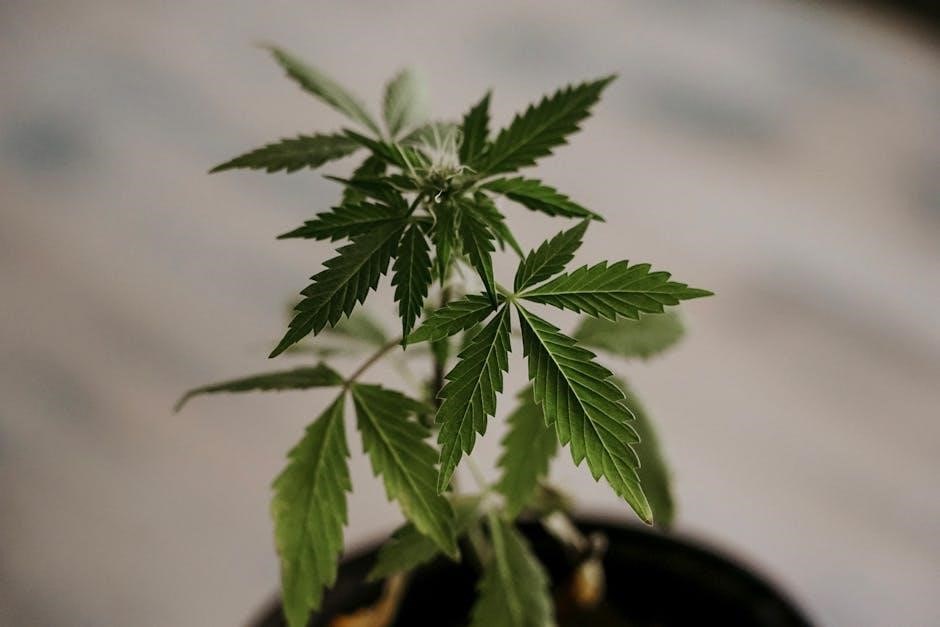
Deep Water Culture (DWC)
Deep Water Culture (DWC) is a straightforward hydroponic method, perfect for beginners cultivating cannabis. It involves suspending plant roots directly into a nutrient-rich, oxygenated water reservoir. An air pump and air stone are essential to provide sufficient oxygen, preventing root rot.
Plants are typically supported by net pots filled with clay pebbles or rockwool, allowing roots to grow down into the solution. DWC is cost-effective, requiring minimal equipment, and promotes rapid growth due to constant nutrient availability.
Regular monitoring of pH and nutrient levels is vital. Maintaining optimal water temperature is also crucial for healthy root development. DWC is well-suited for both vegetative and flowering stages, offering a simple yet effective growing solution.
Nutrient Film Technique (NFT)
Nutrient Film Technique (NFT) is a popular hydroponic system where a shallow stream of nutrient solution continuously flows over the plant roots. This creates a constant supply of water, nutrients, and oxygen, fostering rapid growth for cannabis.
Plants are typically grown in channels with a slight slope, allowing the nutrient solution to return to a reservoir for recirculation. NFT systems require a reliable pump and timer to maintain the consistent flow.
Precise pH and nutrient monitoring are essential, as imbalances can quickly affect plant health. NFT is ideal for leafy greens and smaller cannabis strains, offering efficient nutrient delivery and oxygenation.
Ebb and Flow (Flood and Drain)
Ebb and Flow, also known as Flood and Drain, is a straightforward hydroponic technique where the grow tray is periodically flooded with nutrient solution, then drained back into the reservoir. This cycle provides roots with both nutrients and oxygen.
Plants are typically grown in a tray filled with an inert medium like clay pebbles or rockwool. A timer controls a pump that floods the tray, ensuring even saturation. The draining process allows for aeration, preventing root rot.
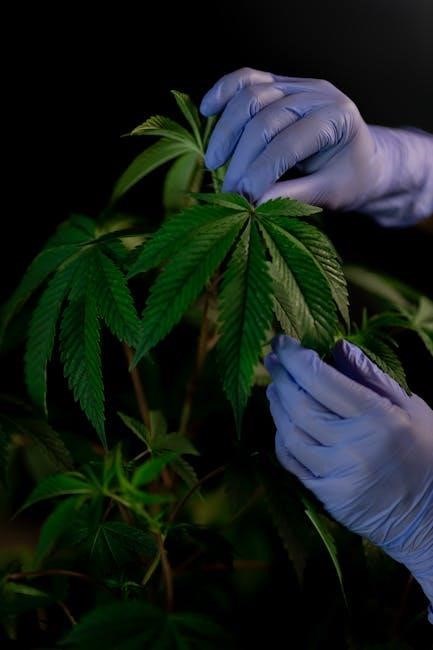
Ebb and Flow is versatile and suitable for various cannabis strains, offering a balance between simplicity and effectiveness. Regular cleaning is crucial to prevent salt buildup and maintain optimal performance.
Grow Lights for Cannabis Hydroponics
Cannabis requires intense light for optimal growth, especially in a hydroponic setup lacking natural sunlight. Selecting the right grow lights is crucial for maximizing yields and potency. Two primary options dominate the market: LED and HID (High-Intensity Discharge).
Light spectrum and intensity are key considerations. During vegetative growth, a blue spectrum is preferred, while flowering benefits from a red spectrum. Light intensity should be adjusted based on the plant’s stage and strain.
Investing in quality grow lights ensures efficient energy use and provides the necessary wavelengths for robust cannabis development within your hydroponic garden.
LED Grow Lights
LED (Light Emitting Diode) grow lights are rapidly gaining popularity in hydroponic cannabis cultivation due to their efficiency and longevity. They consume significantly less power than HID lights, reducing electricity costs and heat output. This lower heat allows for placing the lights closer to the plants, increasing intensity.
Modern LEDs offer full-spectrum lighting, mimicking natural sunlight and supporting all stages of plant growth. They also boast a longer lifespan, minimizing replacement frequency. While the initial investment can be higher, the long-term savings and improved plant health make LEDs a worthwhile choice.
HID Grow Lights (HPS & MH)
HID (High-Intensity Discharge) grow lights, specifically HPS (High-Pressure Sodium) and MH (Metal Halide), have long been staples in cannabis cultivation. MH lamps emit a blue spectrum ideal for vegetative growth, promoting lush foliage. Switching to HPS during flowering provides a red spectrum, maximizing bud development and resin production.
While effective, HID lights generate substantial heat, requiring robust ventilation systems. They also consume more energy than LEDs and have a shorter lifespan, necessitating frequent bulb replacements. Despite these drawbacks, their high light output remains a popular choice for maximizing yields.
Nutrients and pH Management
Hydroponic cannabis demands precise nutrient solutions, as plants rely entirely on the reservoir for sustenance. Cannabis-specific nutrient blends are formulated with the ideal ratios of nitrogen, phosphorus, potassium, and micronutrients for each growth stage. Careful monitoring and adjustment are crucial.
Maintaining the correct pH level is equally vital. Cannabis thrives in a slightly acidic range, typically between 5.5 and 6.5. Outside this range, nutrient uptake is hindered, leading to deficiencies. Regular pH testing and adjustment with pH up or down solutions are essential for optimal growth and preventing issues.
Cannabis-Specific Nutrient Solutions
Cannabis-specific nutrient solutions are meticulously crafted to meet the plant’s unique demands throughout its lifecycle. These blends differ significantly from general hydroponic formulas, providing optimized ratios of macronutrients – nitrogen (N), phosphorus (P), and potassium (K) – alongside essential micronutrients like calcium, magnesium, and iron.
Different stages—vegetative and flowering—require distinct nutrient profiles. Vegetative growth prioritizes nitrogen for lush foliage, while flowering demands increased phosphorus and potassium for bud development. Utilizing a two- or three-part nutrient system allows for precise adjustments, ensuring plants receive exactly what they need when they need it, maximizing yield and quality.
Importance of pH Levels
Maintaining optimal pH levels is paramount in hydroponic cannabis cultivation, directly impacting nutrient absorption. Cannabis thrives within a slightly acidic range, ideally between 5.5 and 6.5. Outside this range, nutrients can become chemically locked out, even if present in the reservoir, leading to deficiencies.
Regular pH monitoring with a reliable meter is crucial; Adjustments are made using pH Up or pH Down solutions. Fluctuations can occur as plants consume nutrients, so consistent checks are vital. Proper pH ensures maximum nutrient availability, promoting vigorous growth, robust health, and ultimately, maximizing the potential of your hydroponic garden.
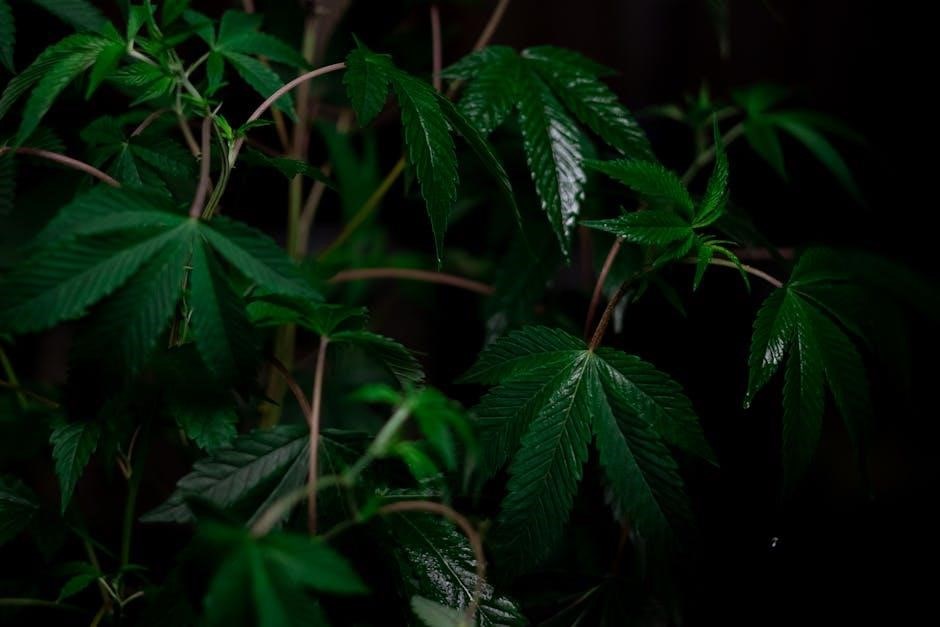
Setting Up Your Hydroponic System
Establishing a hydroponic system involves assembling components, preparing the reservoir with water, nutrients, and beneficial bacteria, and initiating seedling propagation for optimal growth.
Reservoir Setup: Water, Nutrients, and Beneficial Bacteria
The reservoir is the heart of your hydroponic system, demanding careful attention to detail. Begin with high-quality water, ideally reverse osmosis or distilled, to avoid introducing unwanted minerals. Cannabis-specific nutrient solutions are crucial, providing the essential macronutrients and micronutrients for vigorous growth.
Follow the manufacturer’s instructions precisely, adjusting concentrations based on the plant’s growth stage. Beneficial bacteria are vital additions, fostering a healthy root zone by enhancing nutrient uptake and protecting against pathogens. These microorganisms break down organic matter and improve overall system stability. Regularly monitor and adjust pH levels to ensure optimal nutrient availability, typically between 5.5 and 6.5 for cannabis.
Consistent monitoring and adjustments are key to a thriving hydroponic garden.
Seedling Propagation for Hydroponics
Seedling propagation for hydroponics requires a gentle start, as young roots are sensitive. Rockwool and coco coir are popular, inert mediums providing support without nutrients. Soak the chosen medium in pH-balanced water (5.5-6.0) before sowing seeds. Gently place seeds into the medium, maintaining consistent moisture and warmth – around 70-80°F (21-27°C) – until germination.
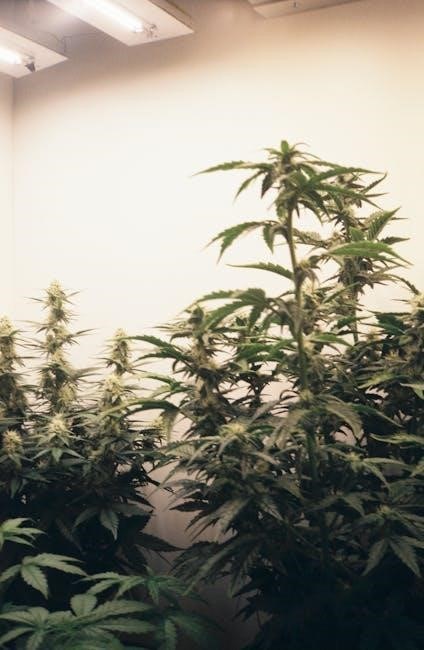
Once seedlings emerge, provide gentle light and maintain high humidity. Avoid overwatering, which can lead to damping-off. After developing a few sets of true leaves, seedlings are ready for transplanting into the hydroponic system. Handle roots carefully during this process to minimize stress and ensure successful establishment.
A strong start is crucial for a healthy hydroponic crop.
Starting Seeds in Rockwool or Coco Coir
Rockwool and coco coir are excellent choices for starting cannabis seeds destined for hydroponic systems. Rockwool, a spun-rock material, provides excellent aeration and moisture retention. Coco coir, derived from coconut husks, offers a more sustainable and naturally buffered alternative. Both are inert, meaning they don’t provide nutrients, requiring a nutrient solution from the start.
To prepare, soak the cubes or plugs in pH-balanced water (5.5-6.0) for several hours. Gently squeeze out excess water. Sow seeds directly into the pre-made holes or create small indentations. Maintain consistent moisture and warmth (70-80°F) until germination, typically within 24-72 hours.
These mediums offer a clean and controlled environment for initial root development.
System Assembly and Initial Configuration
System assembly involves connecting all components – reservoir, grow tray, pump, and tubing – according to the chosen hydroponic system’s instructions. Ensure all connections are secure to prevent leaks. Once assembled, fill the reservoir with pH-balanced water and the appropriate nutrient solution for the seedling stage.
Calibrate your pH and PPM (parts per million) meters for accurate readings. Adjust the nutrient solution to the recommended levels for young cannabis plants. Introduce beneficial bacteria to the reservoir to promote root health and nutrient uptake. Finally, verify the pump is functioning correctly, circulating the nutrient solution.
Proper initial configuration is crucial for a thriving hydroponic garden.

Maintaining a Healthy Hydroponic Cannabis Garden
Consistent monitoring of water quality, nutrient levels, and environmental factors is vital for optimal growth. Preventative measures against pests and diseases are essential.
Regular checks ensure a robust and productive hydroponic cannabis garden, maximizing yields and plant health.
Monitoring Water Temperature and Oxygen Levels
Maintaining optimal water temperature is crucial for healthy root development and nutrient absorption in hydroponic cannabis systems. Ideal temperatures generally range between 65-75°F (18-24°C). Temperatures outside this range can stress plants, hindering growth and increasing susceptibility to root rot.
Dissolved oxygen (DO) levels are equally important. Roots require oxygen to respire, and insufficient oxygen leads to stunted growth and potential root diseases. An air stone or air pump can effectively oxygenate the nutrient solution. Regularly check DO levels with a meter, aiming for at least 6 ppm.
Consistent monitoring with reliable equipment ensures a thriving root zone, maximizing nutrient uptake and overall plant vigor. Neglecting these factors can quickly lead to significant problems.
Preventing and Addressing Nutrient Deficiencies
Preventing nutrient deficiencies in hydroponic cannabis relies on using a balanced, cannabis-specific nutrient solution and regularly monitoring the pH and EC (electrical conductivity) of the reservoir. Consistent monitoring allows for timely adjustments before deficiencies manifest.
Identifying deficiencies requires careful observation of plant leaves. Yellowing, spotting, or discoloration can indicate specific nutrient imbalances. Researching common cannabis deficiency symptoms is essential for accurate diagnosis.
Addressing deficiencies involves adjusting the nutrient solution, increasing or decreasing specific nutrient concentrations. Always adjust one nutrient at a time to isolate the issue. Flushing the system with pH-balanced water can also help correct imbalances.
Pest and Disease Control in Hydroponic Systems
Hydroponic systems, while cleaner than soil, aren’t immune to pests and diseases. Prevention is key: maintain a sterile environment, inspect plants regularly, and quarantine new additions. Good airflow minimizes fungal issues.
Common hydroponic pests include fungus gnats and spider mites. Treat infestations with insecticidal soap, neem oil, or beneficial insects like ladybugs. Avoid harsh chemicals that could harm plants or contaminate the nutrient solution.
Root rot, caused by fungal pathogens, is a significant threat. Maintaining proper oxygen levels in the reservoir and preventing stagnant water are crucial. Hydrogen peroxide can help combat root rot in mild cases.
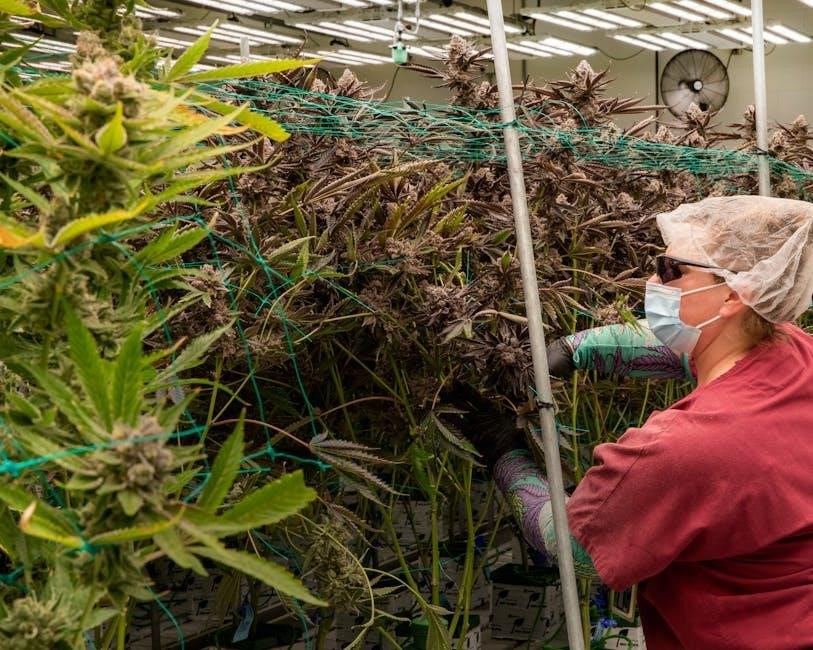
Harvesting and Drying Hydroponically Grown Cannabis
Harvesting requires careful timing, observing trichome color for peak potency. Proper drying involves controlled temperature and humidity, preserving terpenes and maximizing flavor.
Slow drying prevents mold and ensures a smooth, high-quality final product, crucial for enjoying the fruits of your hydroponic labor.
Determining Harvest Readiness
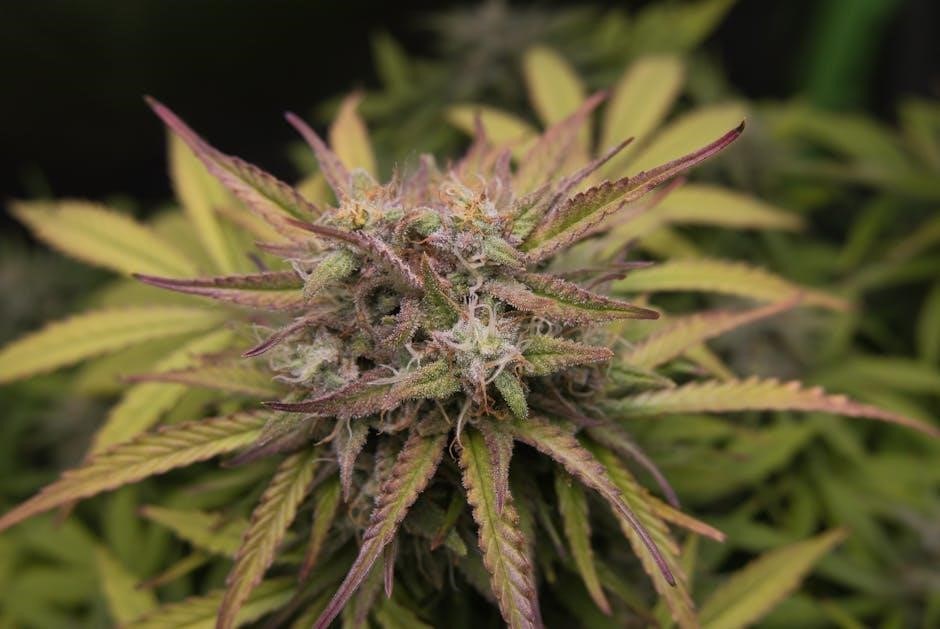
Assessing harvest time is critical for maximizing potency and desired effects. The most reliable method involves closely examining the trichomes – the resinous glands covering the buds. A jeweler’s loupe or microscope is essential for accurate observation.
Initially, trichomes appear clear. As the plant matures, they transition to milky white, indicating peak THC levels. Finally, they turn amber, suggesting CBD production is increasing and THC is degrading. A mix of milky and amber trichomes generally signifies optimal harvest timing, tailored to your preference.
Beyond trichome color, observe the pistils – the hair-like strands emerging from the calyxes. When approximately 60-70% have darkened and receded, it’s a good indicator of approaching maturity. Remember, these are guidelines; consistent observation is key.
Proper Drying Techniques
Slow drying is paramount for preserving terpenes and maximizing flavor. Hang harvested branches upside down in a dark, well-ventilated room with a temperature between 60-70°F (15-21°C) and humidity around 50-60%.
Ensure adequate airflow using fans, but avoid direct blasts. Monitor humidity levels closely; too high risks mold, while too low causes buds to dry too quickly, diminishing quality. The drying process typically takes 7-14 days, depending on bud density and environmental conditions.
Buds are ready when small stems snap, not bend, indicating sufficient moisture loss. Properly dried buds will be fragrant and sticky. Store cured buds in airtight containers in a cool, dark place.
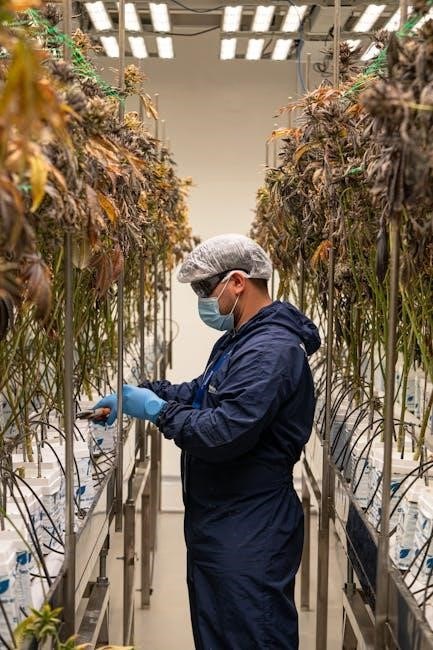
Advanced Hydroponic Techniques
Autopot systems provide automated nutrient delivery, simplifying maintenance. Optimizing temperature and humidity through environmental controls maximizes yields and plant vigor for expert growers.
Autopot Systems: A Convenient Option
Autopot systems represent a significant advancement in hydroponic simplicity, offering a passive watering solution that eliminates the need for pumps, timers, or electricity. These systems utilize a reservoir and specialized pots with float valves, automatically delivering nutrients as the plant consumes them.
This “self-watering” capability drastically reduces maintenance, making them ideal for growers seeking convenience. The system draws nutrient solution from the reservoir only when needed, preventing overwatering and ensuring consistent moisture levels.
Autopots are compatible with various growing media, including coco coir and rockwool, providing flexibility. While the initial investment might be higher than some DIY setups, the long-term benefits of reduced labor and increased efficiency often outweigh the cost. They are a learning curve, but a worthwhile one!
Optimizing Environmental Controls (Temperature & Humidity)
Maintaining optimal temperature and humidity levels is crucial for maximizing cannabis growth in a hydroponic system. Vegetative growth thrives with temperatures between 70-85°F (21-29°C) and higher humidity (60-70%). During flowering, lower temperatures (65-80°F/18-27°C) and reduced humidity (40-50%) are essential to prevent bud rot and enhance resin production.
Precise control requires monitoring equipment like thermometers and hygrometers. Ventilation systems, fans, and dehumidifiers are vital for adjusting these parameters. Consistent airflow prevents stagnant air and reduces the risk of mold.
Careful environmental management not only boosts yields but also improves the quality and potency of your hydroponically grown cannabis.
Leave a Reply
You must be logged in to post a comment.