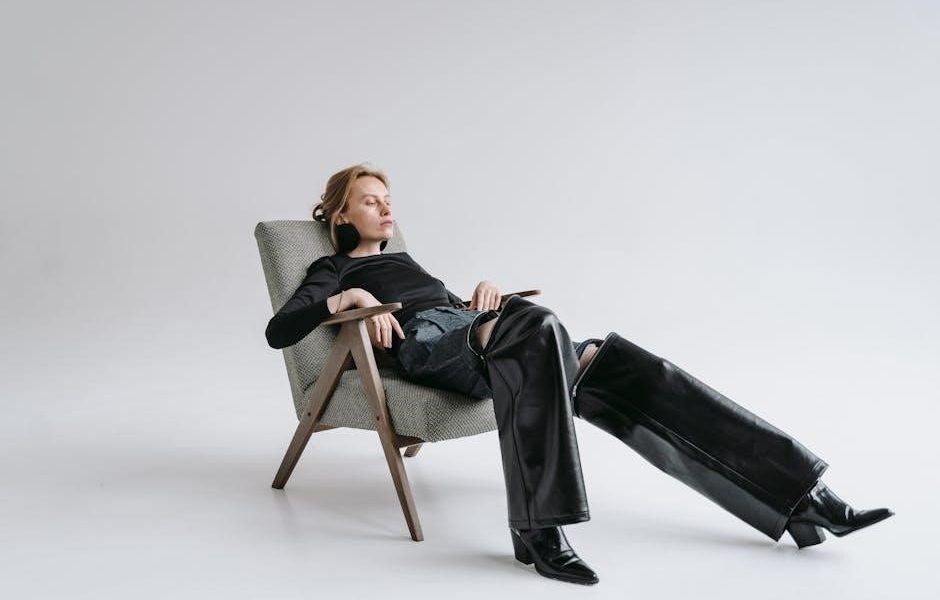
power recliner vs manual recliner
Power Recliners vs. Manual Recliners: A Comprehensive Comparison (Updated 04/07/2026)

Recliners have evolved significantly, offering both style and comfort; selecting the right one requires careful consideration, as options now extend beyond basic functionality.
Recliners have undergone a remarkable transformation, shedding the image of bulky, outdated furniture. Once solely focused on functionality, recliners now seamlessly blend comfort with contemporary design, offering a diverse range of styles to complement any living space. This evolution reflects a growing understanding of the importance of relaxation and well-being in modern life.
Historically, recliners were simple, manually operated chairs, often associated with older generations. However, advancements in technology and ergonomic research have spurred innovation, leading to the development of power recliners with features like lift assistance, infinite position settings, and even zero-gravity capabilities. The market now caters to a broad spectrum of needs and preferences, moving far beyond the “beast your granddad sat in.”
Choosing a recliner today isn’t as straightforward as it once was. The sheer variety available – from classic manual models to sophisticated power options – demands a thoughtful approach. Understanding the differences between these types is crucial for making an informed decision and creating a truly relaxing retreat within your home.
Why Choose a Recliner? Benefits of Relaxation
Recliners are fundamentally about enhancing relaxation and well-being. After a demanding day, the ability to recline and alleviate pressure on the body is profoundly beneficial. They offer a dedicated space for unwinding, whether enjoying a movie marathon, reading a book, or simply seeking a moment of quiet contemplation. This dedicated comfort is the core appeal.
Beyond simple comfort, recliners can contribute to physical health. Certain models, like zero gravity recliners, are designed to distribute weight evenly, reducing strain on the spine and improving circulation. Power lift recliners provide crucial assistance for individuals with mobility challenges, making it easier to sit and stand safely.
Investing in a recliner is investing in self-care. They create a cozy, inviting retreat, transforming a living room into a personal sanctuary. The ultimate comfort chair provides a haven from the stresses of daily life, promoting both physical and mental rejuvenation – a truly valuable addition to any home.

Understanding Manual Recliners
Manual recliners utilize a traditional, time-tested mechanism, relying on the user’s physical effort to adjust the backrest and footrest for personalized comfort.
How Manual Recliners Work: The Traditional Mechanism
Manual recliners operate through a remarkably simple, yet effective, mechanical system. The core of this system is a lever, typically located on the right-hand side of the chair. When pulled, this lever releases a locking mechanism, allowing the user to recline by leaning backwards. Simultaneously, a footrest extends outwards, providing leg support.
This action is facilitated by a network of metal bars and hinges strategically positioned within the chair’s frame. These components work in tandem to distribute weight and ensure a smooth reclining motion. The angle of recline is determined by the amount of force applied by the user; it’s a directly proportional relationship.
Returning to an upright position requires the user to push back, engaging the same mechanism in reverse. The lever must then be re-engaged to lock the chair in place. This traditional approach offers a tactile experience and a sense of control, but necessitates physical exertion.
Types of Manual Recliners
Manual recliners aren’t a one-size-fits-all category; several distinct types cater to different preferences and needs. Classic manual recliners represent the traditional design, prioritizing straightforward reclining functionality and often featuring plush cushioning for maximum comfort. These are typically the most affordable option.

Rocker recliners (manual) introduce a gentle rocking motion, even when in the upright position, providing a soothing experience. This is achieved through a curved base that allows for back-and-forth movement. Glider recliners (manual), while similar, offer a smoother, more fluid gliding motion, ideal for nurseries or relaxation spaces.
Beyond these core types, variations exist with differing arm styles, upholstery materials, and overall aesthetics. Some manual recliners incorporate swivel bases for added versatility, allowing for easy rotation. Choosing the right type depends on desired features and personal comfort preferences.

Classic Manual Recliners
Classic manual recliners embody the traditional reclining experience, focusing on simplicity and comfort. These recliners operate using a straightforward lever or handle mechanism, requiring the user to physically exert force to recline and lift the footrest. They are often characterized by generously padded armrests and back support, designed for extended relaxation.
Upholstery options typically include durable fabrics like microfiber or leather, catering to various aesthetic preferences. While lacking the advanced features of power recliners, classic manual models excel in providing a reliable and comfortable seating solution. They represent an excellent entry point for those seeking a basic reclining chair without a significant investment.
Their enduring popularity stems from their affordability, ease of maintenance, and timeless design, making them a staple in many homes. They are a great choice for movie nights or quiet reading.
Rocker Recliners (Manual)
Manual rocker recliners combine the relaxing motion of a rocking chair with the comfort of a recliner. These chairs feature a curved base that allows for gentle rocking, even when in the reclined position. Like classic manual recliners, they rely on a lever or handle to adjust the backrest and footrest, requiring physical effort from the user.
The rocking motion can be particularly soothing, promoting relaxation and potentially aiding in sleep. They are often favored by new parents for feeding and comforting babies, offering a gentle and rhythmic experience. Upholstery choices are diverse, ranging from traditional fabrics to modern materials.
While offering a unique feature, rocker recliners maintain the affordability and simplicity associated with manual recliners, making them a popular choice for those seeking a comforting and traditional seating option.
Glider Recliners (Manual)
Manual glider recliners offer a smooth, back-and-forth gliding motion, differing from the arc of a traditional rocker. This motion is achieved through a different base mechanism, providing a more consistent and contained movement. Like other manual recliners, they utilize a lever or handle for reclining adjustments, requiring user effort to achieve the desired position.
Gliders are exceptionally popular among new parents, as the gliding motion is incredibly soothing for both parent and baby during feeding or comforting sessions. The controlled movement minimizes abrupt shifts, offering a gentle experience. They often feature comfortable armrests and supportive cushioning.
Maintaining the benefits of affordability and straightforward operation, manual glider recliners present a relaxing and practical seating solution for nurseries or any space desiring a calming influence.
Pros of Manual Recliners: Affordability and Simplicity
Manual recliners shine in their straightforward design and accessibility. The most significant advantage is their cost-effectiveness; they are considerably more affordable than their power-operated counterparts, making comfortable relaxation attainable for a wider range of budgets. This simplicity extends to operation – no need for electricity or remote controls, just a lever or handle to adjust the recline.
Furthermore, manual recliners boast fewer components, potentially leading to reduced maintenance needs and a lower risk of mechanical failures. Their uncomplicated nature also means less can go wrong, offering peace of mind. They are ideal for those who prefer a tactile experience and don’t require assistance with adjusting their seating position.
Ultimately, manual recliners deliver reliable comfort without unnecessary complexity.
Cons of Manual Recliners: Physical Effort & Limited Features
Manual recliners, while appealing in their simplicity, present certain drawbacks. The primary disadvantage is the physical effort required to operate them. Individuals with limited strength, mobility issues, or back problems may find it challenging or even impossible to comfortably adjust the recline position. This reliance on physical force limits accessibility for many.
Beyond effort, manual recliners typically lack the advanced features found in power models. You won’t find options like infinite position settings, power lift assistance, or zero-gravity positioning. They offer basic reclining functionality, which may not satisfy those seeking a highly customized or therapeutic experience.
Essentially, manual recliners prioritize affordability over convenience and advanced features, potentially compromising comfort for some users.
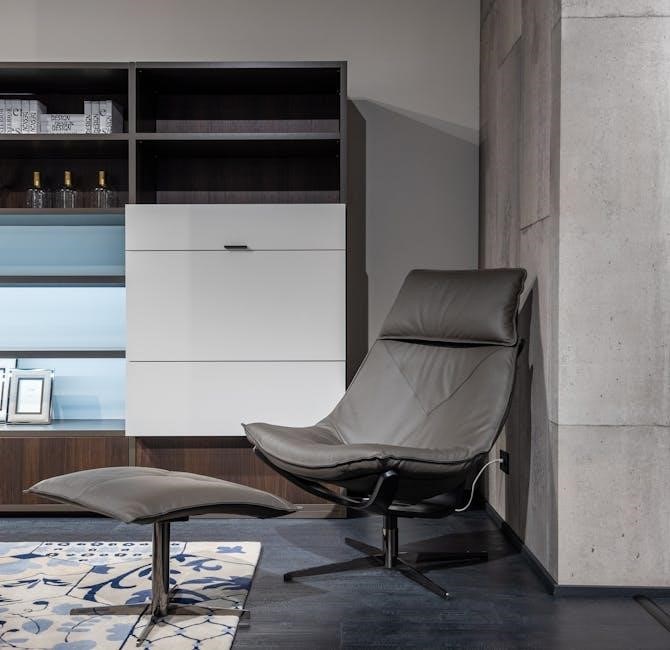
Exploring Power Recliners
Power recliners deliver motorized comfort and convenience, transforming relaxation with effortless adjustments and a range of features for enhanced user experience.
How Power Recliners Work: Motorized Comfort
Power recliners utilize an electric motor to facilitate reclining and lifting functions, offering a significant advantage over manual counterparts. This motor is typically powered by a standard electrical outlet and controlled via buttons conveniently located on the armrest. When activated, the motor drives a mechanism that smoothly adjusts the chair’s backrest and footrest, allowing users to find their desired position with minimal effort.
More advanced power recliners incorporate multiple motors, enabling independent control of the backrest and footrest; This allows for a wider range of customized positions, including the coveted zero-gravity position. Furthermore, some models feature power headrest adjustments, enhancing neck and shoulder support. The internal components include a transformer to reduce voltage, a control box managing motor functions, and robust wiring ensuring safe and reliable operation. These features collectively contribute to the superior comfort and ease of use that define power recliners.
Types of Power Recliners
Power recliners cater to diverse needs, manifesting in several distinct types. Power lift recliners are specifically designed to assist individuals with mobility challenges, gently lifting and tilting the chair to aid in standing. Power recliners with infinite positions offer unparalleled customization, allowing users to settle into any angle between upright and fully reclined, maximizing comfort.
Then there are zero gravity power recliners, engineered to distribute body weight evenly, reducing pressure on the spine and promoting optimal health benefits – mimicking the weightlessness of space. Beyond these core types, variations include those with built-in massage and heating features, further enhancing relaxation. Some models also boast USB charging ports and cup holders for added convenience. The choice depends on individual preferences and specific requirements, ranging from basic powered reclining to comprehensive comfort and assistive features.
Power Lift Recliners: Assisting Mobility
Power lift recliners are invaluable for individuals experiencing difficulty standing or sitting, offering a safe and effortless transition. Utilizing a motorized lift mechanism, these chairs gently elevate and tilt, providing crucial support during the process. This feature is particularly beneficial for seniors, those recovering from surgery, or anyone with limited mobility in their legs or back.
Beyond assistance with standing, power lift recliners often include standard reclining functions, providing comprehensive comfort. Many models feature user-friendly controls and adjustable settings to personalize the experience. Safety features, such as emergency stop buttons and stable bases, are paramount in their design. They transform daily routines, promoting independence and reducing the risk of falls, making them a vital aid for maintaining quality of life.
Power Recliners with Infinite Positions
Power recliners boasting infinite positions represent a leap forward in customizable comfort, moving beyond the traditional ‘up’ or ‘down’ recline options. These chairs allow users to stop at any angle, creating a truly personalized relaxation experience. This granular control is achieved through sophisticated motorized systems and intuitive controls, often including separate buttons for backrest and footrest adjustments.
The benefit lies in finding the perfect position for any activity – reading, watching TV, napping, or simply relaxing. Unlike manual or limited-position power recliners, infinite position models cater to individual body types and preferences. They minimize pressure points and promote better spinal alignment. This enhanced adjustability makes them ideal for extended periods of use, offering sustained comfort and support throughout the day, truly changing how you think about relaxation.
Zero Gravity Power Recliners: Optimal Health Benefits
Zero gravity power recliners are designed to mimic the weightless position astronauts experience during launch, distributing body weight evenly and reducing stress on the spine and joints. This specialized recline elevates the legs above the heart, promoting circulation and alleviating pressure. The result is a deeply relaxing experience with tangible health benefits.
Beyond simple comfort, these recliners can aid in reducing back pain, improving cardiovascular health, and even easing symptoms of swelling in the legs and feet. The even weight distribution minimizes strain, allowing muscles to fully relax. They are particularly beneficial for individuals with mobility issues or chronic pain conditions, offering a supportive and therapeutic seating option. Investing in a zero gravity recliner is investing in your well-being, creating a cozy retreat for ultimate relaxation.
Pros of Power Recliners: Ease of Use & Advanced Features
Power recliners excel in convenience, requiring minimal physical effort to operate – a significant advantage for those with limited mobility or strength. A simple push of a button allows for effortless reclining and lifting, providing personalized comfort. Beyond basic reclining, many models boast advanced features like built-in USB charging ports, adjustable headrests, and lumbar support, enhancing the overall relaxation experience.
The inclusion of power lift assistance makes getting in and out of the chair significantly easier, promoting independence and safety. Infinite position options allow users to find their perfect angle, while features like heat and massage further elevate comfort. These recliners transform a simple seat into a personalized wellness station, offering a luxurious and supportive retreat after a long day.

Cons of Power Recliners: Cost & Potential for Mechanical Issues
Power recliners generally come with a higher price tag compared to their manual counterparts, representing a substantial investment for many consumers. This increased cost reflects the inclusion of motorized components and advanced features. Furthermore, the reliance on electrical mechanisms introduces the potential for mechanical failures, requiring repairs or even replacement over time.
Troubleshooting can be complex, often necessitating professional assistance, adding to the long-term ownership costs. Power recliners are also dependent on a functioning power source, rendering them unusable during power outages. While modern models are built with durability in mind, the added complexity inherently increases the risk of something going wrong, a factor to consider when weighing the benefits against the potential drawbacks.

Key Differences: A Side-by-Side Comparison
Comparing manual and power recliners reveals distinctions in price, usability, features, and longevity; understanding these contrasts is crucial for informed decision-making.
Price Comparison: Manual vs. Power
Generally, manual recliners represent the more budget-friendly option, with prices typically ranging from $300 to $800, depending on the materials, size, and features. These recliners offer a straightforward reclining mechanism without the added cost of motors or electrical components. However, the price can increase with features like rocker or glider functionality, or upgraded upholstery.
Power recliners, on the other hand, command a higher price point, usually starting around $700 and extending well beyond $2,000 for models with advanced features like power lift, infinite positions, or zero-gravity capabilities. The inclusion of motors, wiring, and control systems significantly contributes to the increased cost. Power lift recliners, designed to assist individuals with mobility issues, are often the most expensive.
Ultimately, the price difference reflects the added convenience, functionality, and technological sophistication offered by power recliners. While manual recliners provide a comfortable and reliable reclining experience at a lower cost, power recliners cater to those seeking enhanced comfort and accessibility, justifying the investment for many.
Ease of Use: Who is Each Type Best Suited For?
Manual recliners are ideal for individuals who enjoy a more tactile experience and don’t require assistance to recline. They suit those with sufficient upper body strength and flexibility to operate the reclining mechanism. These are often a good fit for younger, active individuals or those who prefer a simpler, less technologically dependent design.
Power recliners excel in providing effortless operation, making them exceptionally well-suited for individuals with limited mobility, strength, or joint pain. The push-button controls eliminate the physical exertion required for manual recliners. Power lift features are particularly beneficial for those who need assistance sitting down or standing up.
Furthermore, power recliners are a great choice for anyone seeking maximum relaxation and convenience, allowing for precise positioning adjustments with minimal effort. They cater to a broader range of users, offering accessibility and comfort for all ages and abilities.
Features & Functionality: Beyond Basic Reclining
Manual recliners typically offer limited functionality beyond the basic reclining motion. Some may include a rocking or gliding feature, providing gentle movement alongside the recline. However, they generally lack advanced features like adjustable headrests, lumbar support, or USB charging ports.
Power recliners, conversely, boast a wide array of enhanced features. Many models include infinite position reclining, allowing users to find their perfect angle of comfort. Power lift assistance is a significant benefit, aiding those with mobility issues. Zero gravity positions, designed to reduce pressure on the spine, are also common.
Additionally, power recliners frequently incorporate features like built-in USB ports for device charging, adjustable headrests and lumbar support for personalized comfort, and even heating and massage functions for ultimate relaxation. These features elevate the reclining experience beyond simple comfort.
Durability & Maintenance: Long-Term Considerations
Manual recliners, with their simpler mechanisms, generally require less maintenance. Their durability relies heavily on the quality of the frame and upholstery. Occasional tightening of bolts may be needed, but overall, they are relatively low-maintenance. However, the constant physical effort of operation can, over time, contribute to wear and tear on the reclining mechanism.
Power recliners, while offering greater convenience, introduce potential mechanical issues. The motors and electrical components require occasional inspection and may eventually need repair or replacement. Regular cleaning and avoiding excessive weight or strain on the mechanism are crucial for longevity.
Choosing high-quality materials and a reputable brand is vital for both types. Proper care, regardless of the type, will significantly extend the lifespan of your recliner, ensuring years of comfortable use and minimizing the need for costly repairs.

Factors to Consider When Choosing
Selecting a recliner demands evaluating your budget, physical needs, lifestyle, and available space to ensure the perfect fit for ultimate relaxation and comfort.
Your Budget: Setting a Realistic Spending Limit
Establishing a clear budget is the crucial first step in your recliner journey. Manual recliners generally represent a more affordable option, often starting around a few hundred dollars, making them accessible for those on a tighter budget. However, this affordability comes with trade-offs in features and convenience.
Power recliners, conversely, typically command a higher price tag, ranging from several hundred to well over a thousand dollars, depending on the features included – like power lift, infinite positions, or zero gravity functionality. This increased cost reflects the motorized mechanisms and advanced technology integrated into these chairs.
Consider not only the initial purchase price but also potential long-term costs. Power recliners might incur higher repair expenses if the motor or electrical components fail. Setting a realistic spending limit upfront will help narrow your options and ensure you find a recliner that delivers comfort without straining your finances. Don’t forget to factor in potential delivery fees!
Physical Limitations: Mobility and Strength
For individuals with limited mobility, strength, or certain medical conditions, a power recliner can be a transformative investment. The motorized assistance eliminates the physical effort required to recline and lift, providing independence and comfort. Power lift recliners are particularly beneficial, gently assisting users in standing up and sitting down, reducing strain and risk of falls.
Manual recliners, relying on body weight and strength to operate, may pose challenges for those with arthritis, muscle weakness, or recovery from surgery. The force needed to engage the reclining mechanism can be difficult or even impossible for some.
Consider your current physical capabilities and any potential future limitations. If you anticipate needing assistance with movement, a power recliner offers a safer and more comfortable solution. Prioritizing accessibility and ease of use is paramount when selecting a recliner based on physical needs.
Lifestyle & Usage: How Will You Use the Recliner?
Your daily routine and how you envision using the recliner significantly influence the best choice. Frequent, extended use – perhaps for movie nights, reading, or relaxation after work – leans towards the convenience of a power recliner. The ability to effortlessly adjust positions enhances comfort during prolonged periods.
If the recliner will be used occasionally, a manual model might suffice. For those who enjoy a more active lifestyle and only seek occasional relaxation, the simplicity of a manual recliner could be perfectly adequate. Consider whether multiple family members will be using the chair, and their varying needs.

Think about activities like napping, reading, or watching television. Power recliners with infinite positions or zero-gravity features cater to specific comfort preferences, while a basic manual recliner offers straightforward functionality.
Space Constraints: Size and Placement
Recliner dimensions are crucial, especially in smaller living spaces. Both power and manual recliners come in various sizes, but power models sometimes require more clearance for the reclining mechanism and electrical components. Measure your available space carefully, considering both the upright and fully reclined positions.
Wall proximity is a key factor. Power recliners may need more space behind them to accommodate the motor and prevent damage to walls during reclining. Manual recliners generally require less clearance, offering greater placement flexibility.
Consider doorways and walkways. Ensure the recliner, in both positions, doesn’t obstruct traffic flow. Compact recliners, available in both power and manual versions, are ideal for smaller rooms. Think about the overall layout and how the recliner will integrate with existing furniture.
Ultimately, the best recliner – power or manual – depends on individual priorities and circumstances. Manual recliners excel in affordability and simplicity, appealing to those seeking a no-frills relaxation experience. They are a solid choice for those with ample strength and a tighter budget.
Power recliners, however, offer unparalleled convenience and features, particularly beneficial for individuals with mobility issues or those desiring advanced comfort options like lift assistance and zero-gravity positioning. While the initial investment is higher, the enhanced functionality can significantly improve quality of life.
Carefully assess your budget, physical capabilities, lifestyle, and available space to determine which type best aligns with your needs; Both options provide a comfortable retreat, but the ideal choice is a personal one.
Leave a Reply
You must be logged in to post a comment.